





Infrared-enhanced Indoor Cultivation System

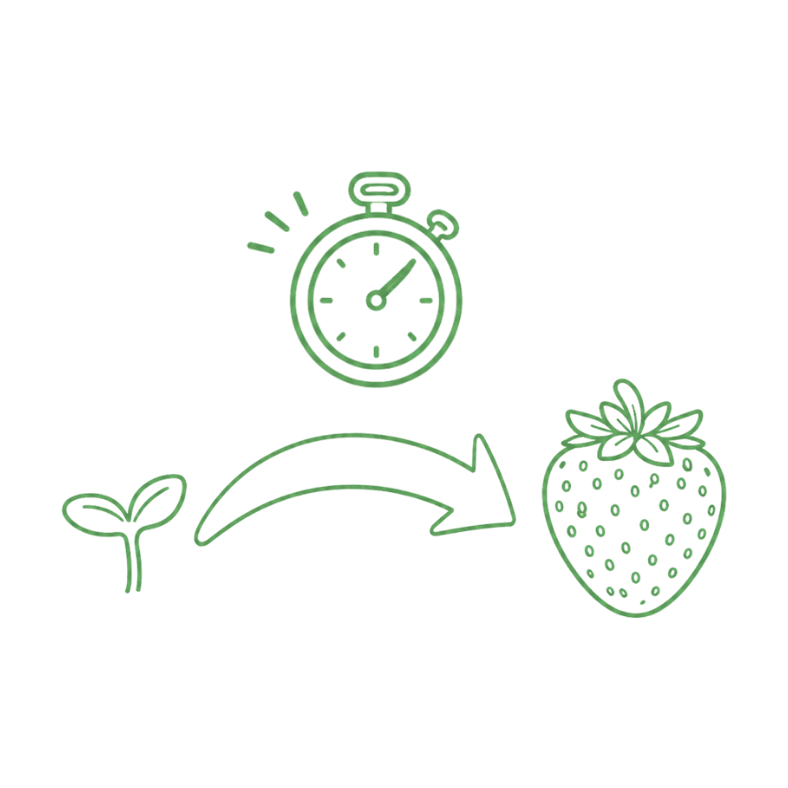
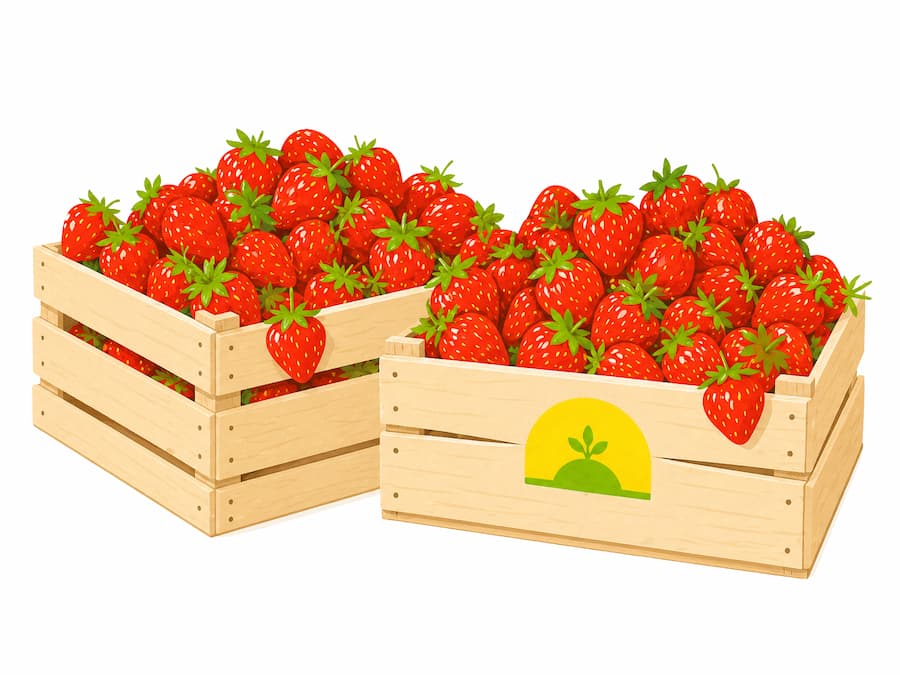
Grow 87% more from the same square metre.

With a system that reaches 1,720 nm and shifts across vegetative, flowering, and ripening to mimic the spectrum of natural sunlight.

4.7x​

profit per m²

vs. standard lighting.

Up to 50%​

cycle time reduction​

vs. standard lighting.

4.3 yrs

payback period​

down from 15+ years.

210kg

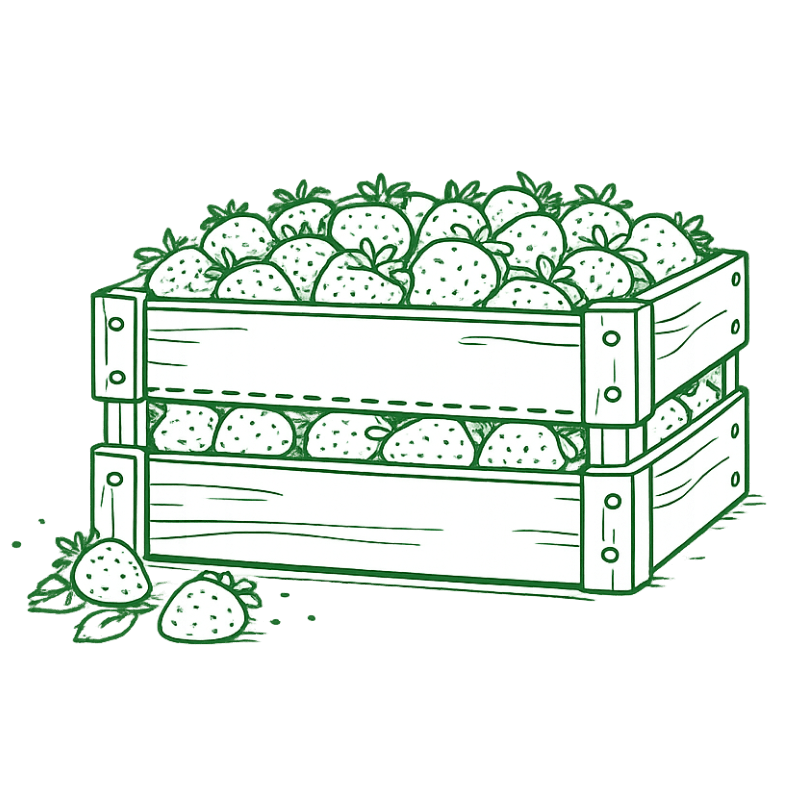
yield per m² per year

up from 120kg.

+Brix​​

cycle time reduction

+ more runners.

The Spectrum Gap

Electricity is 30% of your operating cost. Your yield isn't keeping up.

Vertical farming was supposed to feed the world. Ten years in, 90% of it still grows lettuce

Because the crops that justify the energy bill need more light, more time, and more cycles than the unit economics can carry.

The industry treats this as a hardware problem. It isn’t. The bottleneck isn’t how much light hits the canopy. It’s which light.

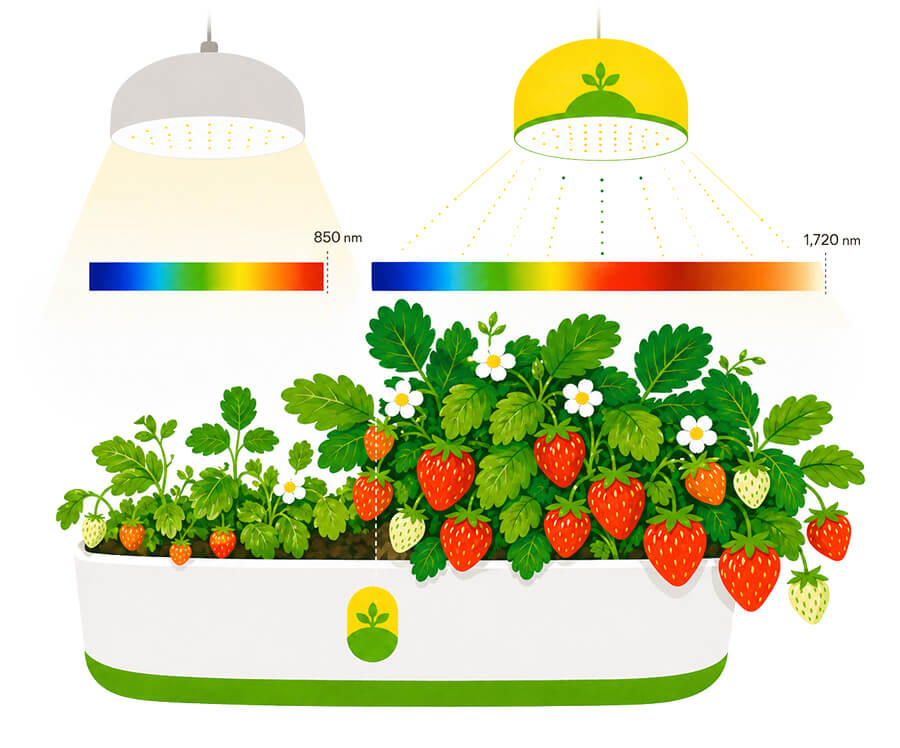
Most mainstream grow lights cap at 850 nm.

They cover the visible range that drives photosynthesis, plus a thin slice of near-infrared. Everything from 851 nm up to 1,720 nm is left out.

Sunlight at sea level reaches well past 1,720 nm. Plants evolved under that full spectrum, and the bands above 850 nm aren’t dead weight.

Near-infrared and infrared wavelengths drive cell expansion, sugar accumulation, and the post-sunset signalling that tells a plant when to flower and when to ripen.

The bands the industry leaves out aren't an incremental boost. They're where the second half of your yield lives.

Photophil’s system fills that gap. We layer in measured intensities at 850, 940, 1,200, and 1,720 nm, chosen because those bands are absorbed less by water inside the leaf, so they penetrate more usefully than the wavelengths water grabs first.

In our own trial, strawberry plants grown with IR up to 1,720 nm produced nearly twice the total fruit weight of plants grown with the same setup capped at 850 nm.

What it Grows

Built For The Crops Indoor Farming Couldn't Afford To Grow

Soft Fruits & Berries

Fruiting Vegetrables

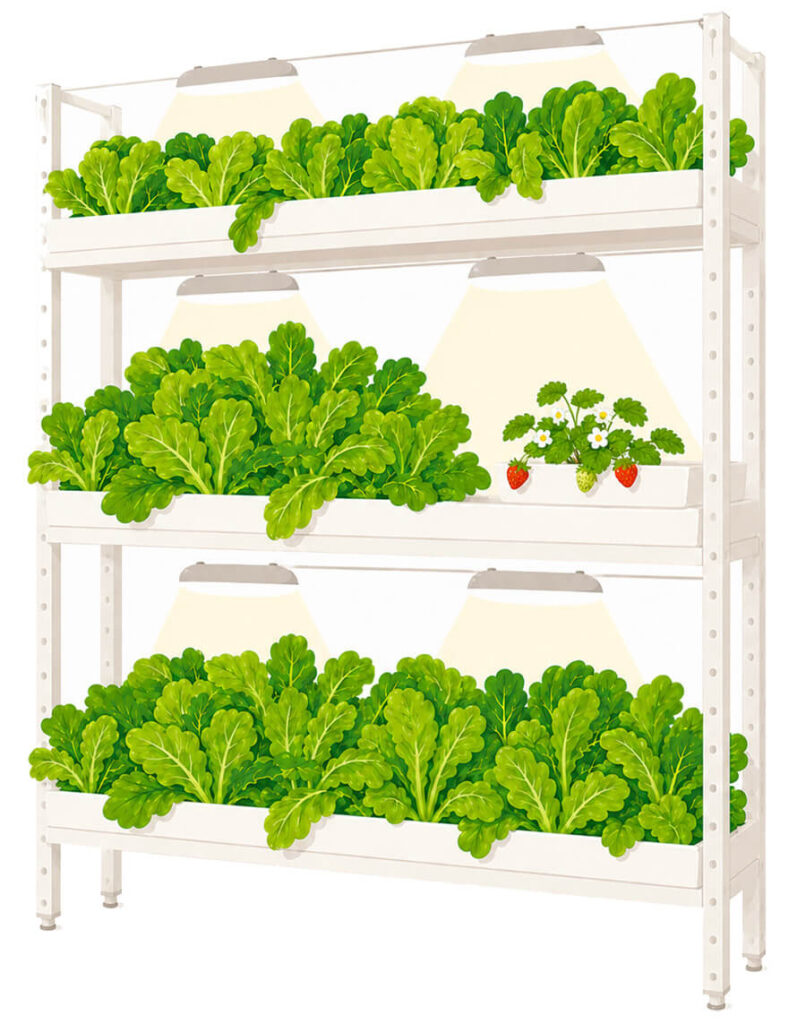
Leafy Greens & Herbs

Pharma

How The System Works​

Three Pillars, One Recipe

A full patent-pending protocol developed by Dr. Gur Braun, PhD with scientific advisor Dr. Yehoram Leshem, PhD to double yield, shorten payback, and boost quality.

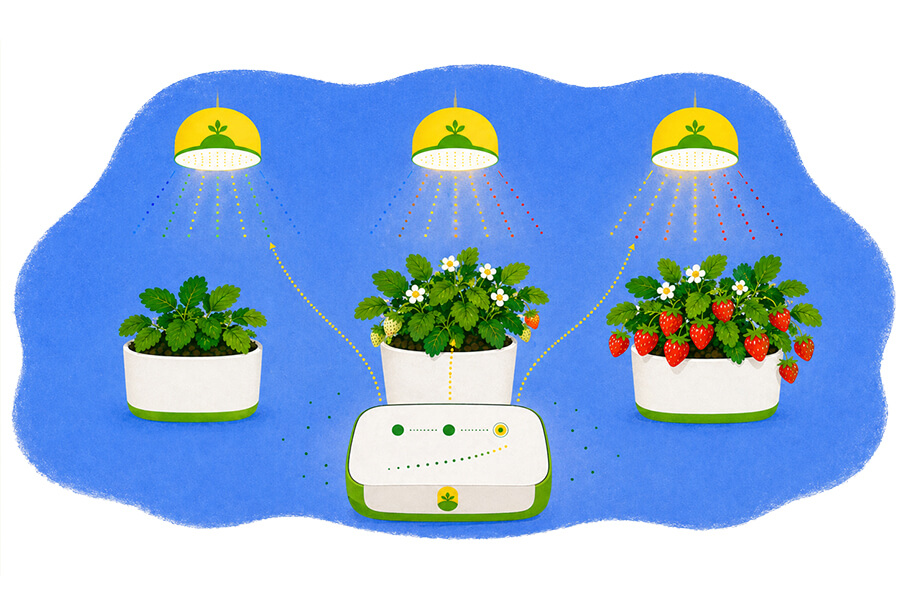
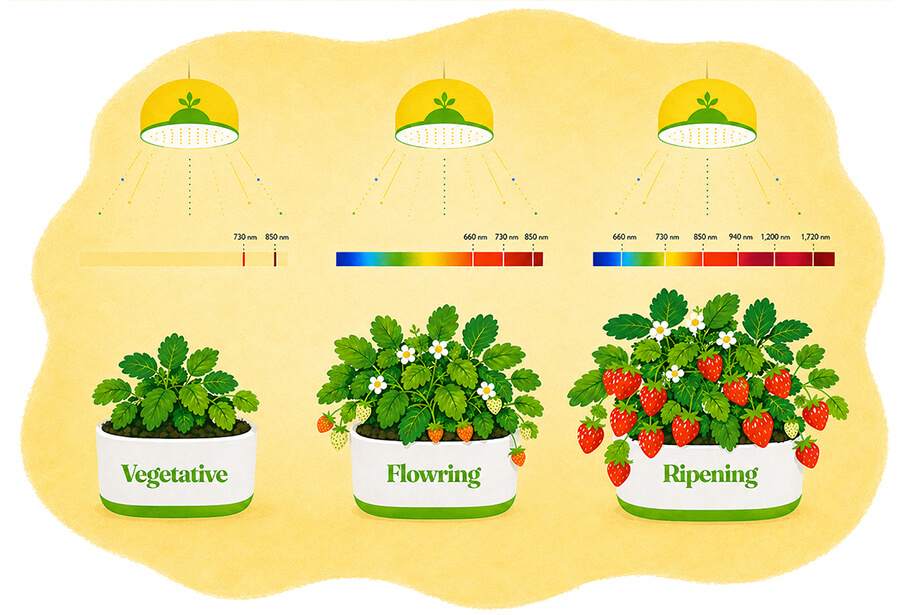
Plants don't want the same light at every stage. A seedling needs different cues than a flowering plant or a ripening fruit. Most horticultural LEDs ignore this and run one static spectrum from day one to harvest.

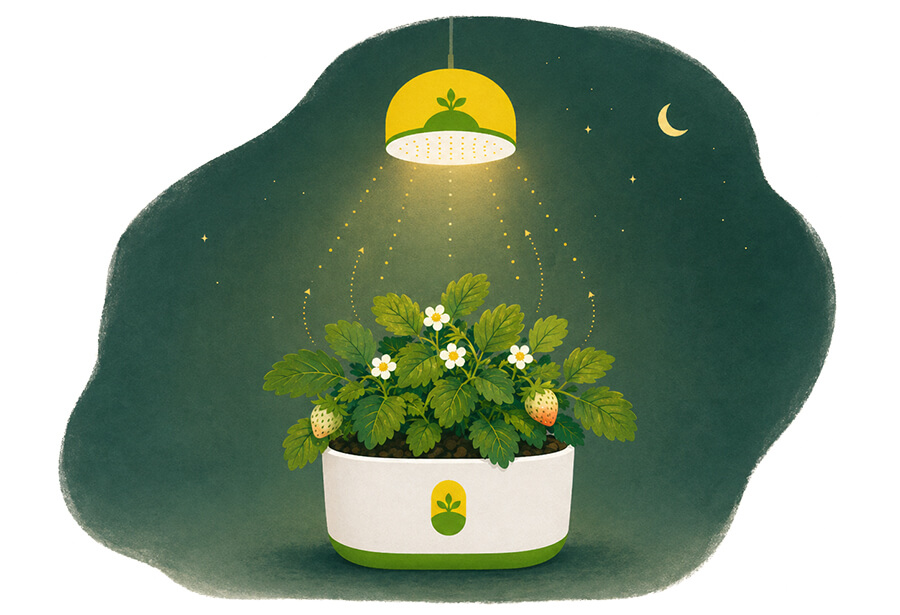
Photophil's protocol switches three times. Vegetative runs white light with 730 and 850 nm. Flowering adds 660 nm to drive fruit set, with IR stepping up. Ripening pushes IR further, layering in 940, 1,200, and 1,720 nm to drive cell expansion and Brix accumulation.
Get sTARTED

Prove It In Your Own Facility Before You Write a Cheque.

We’ll install side-by-side cells in your existing operation, run our full protocol on your crop and hand you the measured data.

faq

And Data-Backed Answers

Measured. The strawberry trial ran for 13 weeks in three independent grow chambers using a six-cell comparative design, with infrared intensities measured by an ILT5000 photometer with a 750 nm cut-off filter. Cell-by-cell data is available on our results page. The technology earned a grant from the Israel Innovation Authority on the strength of that data.
The protocol is engineered around the flowering and ripening stages, so it transfers cleanly to other fruiting crops, soft fruits, and pharma-grade botanicals where the same biology drives yield. For leafy or herb crops, the mechanism is different and the relevant data comes from earlier basil and lettuce trials. The pilot is the cleanest way to find out for your specific crop and cultivar.
The pilot runs as side-by-side cells against your existing setup, so no retrofit is required. For full deployment, the protocol needs the right wavelengths to be available, and most mainstream horticultural LEDs cap at 850 nm and won’t deliver the IR bands the protocol depends on. Photophil’s controller is being developed to drive third-party fixtures where the spectrum is compatible.
IR intensities are kept deliberately low and ramped gradually, specifically to avoid heat stress and circadian disruption. The post-sunset programme runs at intensities well below daylight, with cooling fans on the rigs. The trial saw no heat-related crop damage across 13 weeks.
Photophil isn’t a fixture vendor. The patent-pending IP is the protocol itself: the wavelength recipe, the timing, and the controller that delivers them. That IP can run through compatible fixtures over time. The company is grant-validated by the Israel Innovation Authority, embedded in the Israeli CEA ecosystem (Grow-Tec, Galgal HaOr, MIGAL), and led by a Weizmann-trained photosynthesis biologist with a published scientific advisor. The pilot is the right way to evaluate the protocol without committing to a vendor relationship.
Yes. The protocol and the controller are both patent-pending. Photophil owns its hardware-engineering stack through its CTO’s company, Galgal HaOr, and the science was grant-validated by the Israel Innovation Authority.